Atomic introduces another variant of its proven line of free-touring bindings, the Shift². The new Shift² 16 MN brings more to the table than just a higher max DIN setting, it’s a generally more rigid design and adds a few details that will be appreciated by everyone striving for the best downhill performance. Of course, there’s a little more weight, but that won’t really compromise the hiking experience. As a cherry on top, the new model comes with a Bent Chetler design.
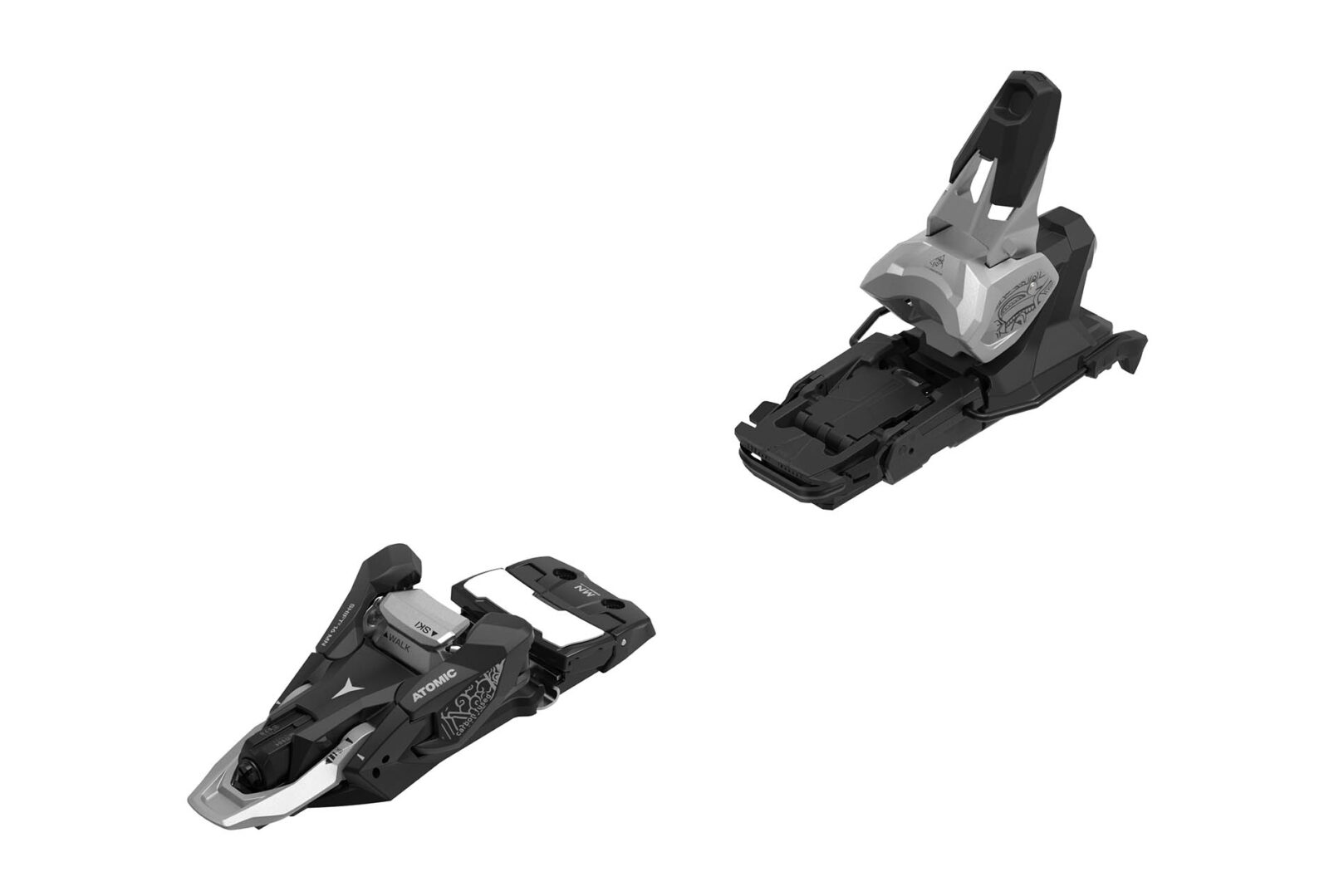
The new Atomic Shift² 16 MN.
Gear
HighlightThe big one
Gear Spotlight: Atomic Shift² 16 MN
Hybrid bindings proved to be a game changer for freeriders who opt to earn their turns. Not too long ago, you could either trust a classic pin binding for a much better performance uphill or you could use one of those frame bindings which basically mount a classic alpine binding on a moveable frame. The latter were very reliable on the way down, but since you need to lift the whole binding including the frame on each step, they take much more effort on the way up—plus the frame raises the stance which some like and some don’t. Pin bindings, on the other hand, work great for skiing when demands on stability aren’t exceptionally high. However, with their wide powder skis freeriders tend to exert quite a bit of torque on the binding mechanism. Particularly the classic pin heel piece with its small width was prone to twist when higher forces were at play.
A first remedy were bindings that combined a classic, yet removable alpine heel piece with a pin toe piece. Since the toe pin jaw has a much greater width, it’s less problematic and offers all the advantages of pin bindings on the way up, specifically a perfect axis for walking and the absence of weight that needs to be lifted with the boot. However, the pin toe piece, although offering great contact with the boot, is still inferior to a classic alpine toe piece when skiing, since it offers less energy absorption. It’s important to note here that a binding has two functionalities when holding a boot in place. One is to apply simple force, which is measured on the classic DIN scale. The second is to absorb energy in a more dynamic scenario. A binding never releases immediately, there’s always some room to move where the spring applies its force against a release. If that stretch before the release is longer, more energy is absorbed. Because of the design of the pin engagement, a pin binding has less of that room to play with compared to classic alpine bindings. Therefore, when it’s really rattling on your skis, an alpine toe piece will hold the boot longer at the same DIN setting compared to a pin toe piece.
Atomic was the first brand to introduce a real hybrid binding to a bigger market, a binding that combined the pin functionality on the way up with the classic alpine functionality on the way down in one toe piece. The original Shift was a real game changer. It’s not an easy task to combine those two functionalities in one element without going crazy on weight or complexity. There were a few things left to iron out which Atomic achieved with the release of the Shift². For most freeriders, the Shift² 13 MN will offer everything they could wish for, for people less heavy there’s also the Shift² 10 MN.
It’s only when you really push your bindings to the limit, for example when you’re charging down a face with competition speed or go for a backcountry kicker session, that you might ask for more. Think of people like Craig Murray, who was involved in the development of the new Shift² 16 MN. This version of the shift is not only boosting the max DIN setting to 16, it also changes a few other details that will help improve the downhill performance for those last five percent. This shows in the weight, since both the 13 MN and the 10 MN have almost the same weight—920 g and 915 g respectively—while the Shift² 16 MN pushes the scale to 1210 g. This added weight stems from a full-aluminum Hike&Ride switch and an integrated aluminum Power Block in the toe piece for increased lateral stiffness. The toe piece also features a new Micro AFD (Anti-Friction Device) for optimized adjustment to all kinds of ski boots. A reinforced baseplate combining metal and rubber helps damping vibrations at speed and the redesigned 3-Part Power Heel also enhances shock absorption and retention—altogether giving you the highest precision, best security and the most relaxed experience downhill of any Shift² model.
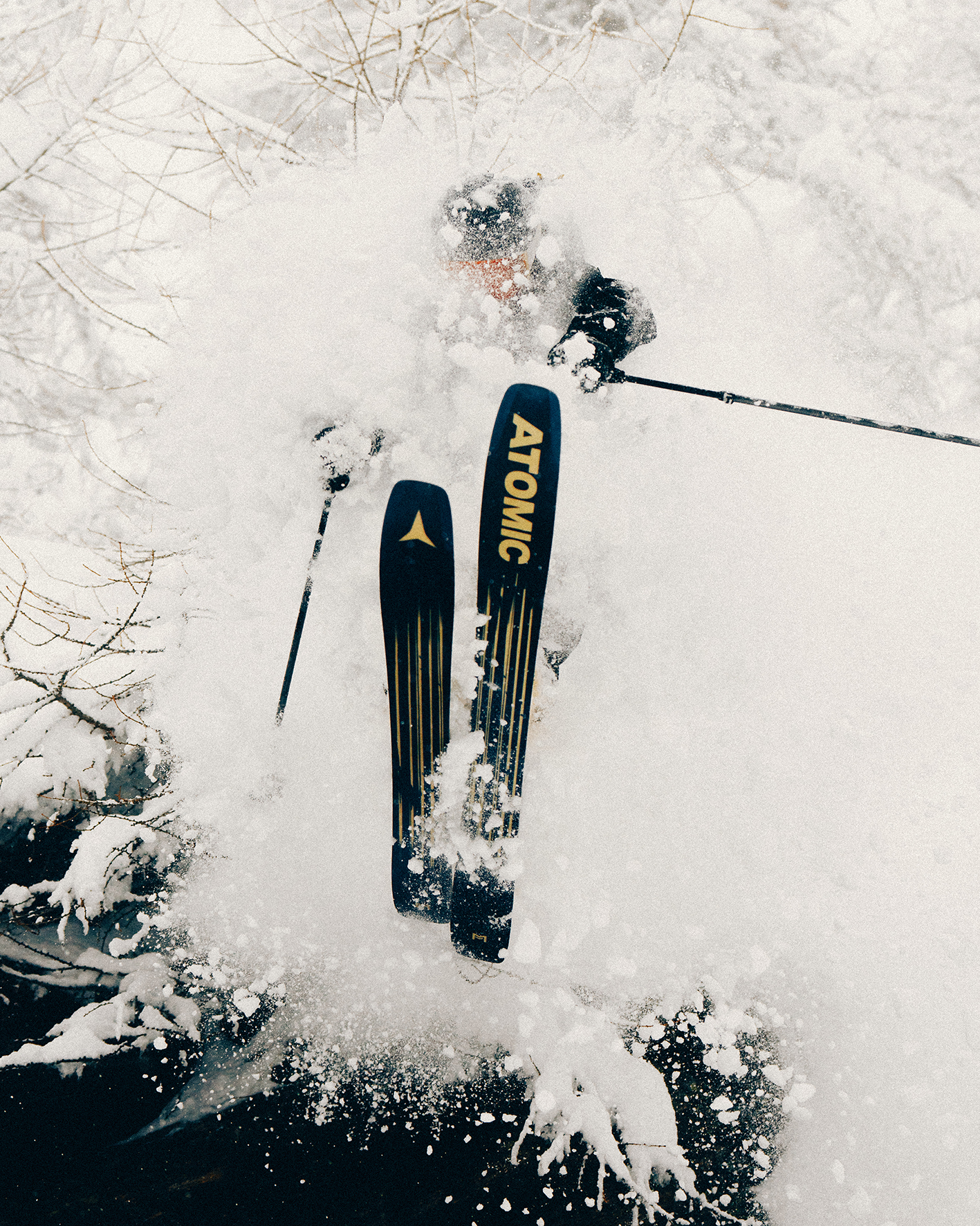
Silvano Zeiter / Atomic
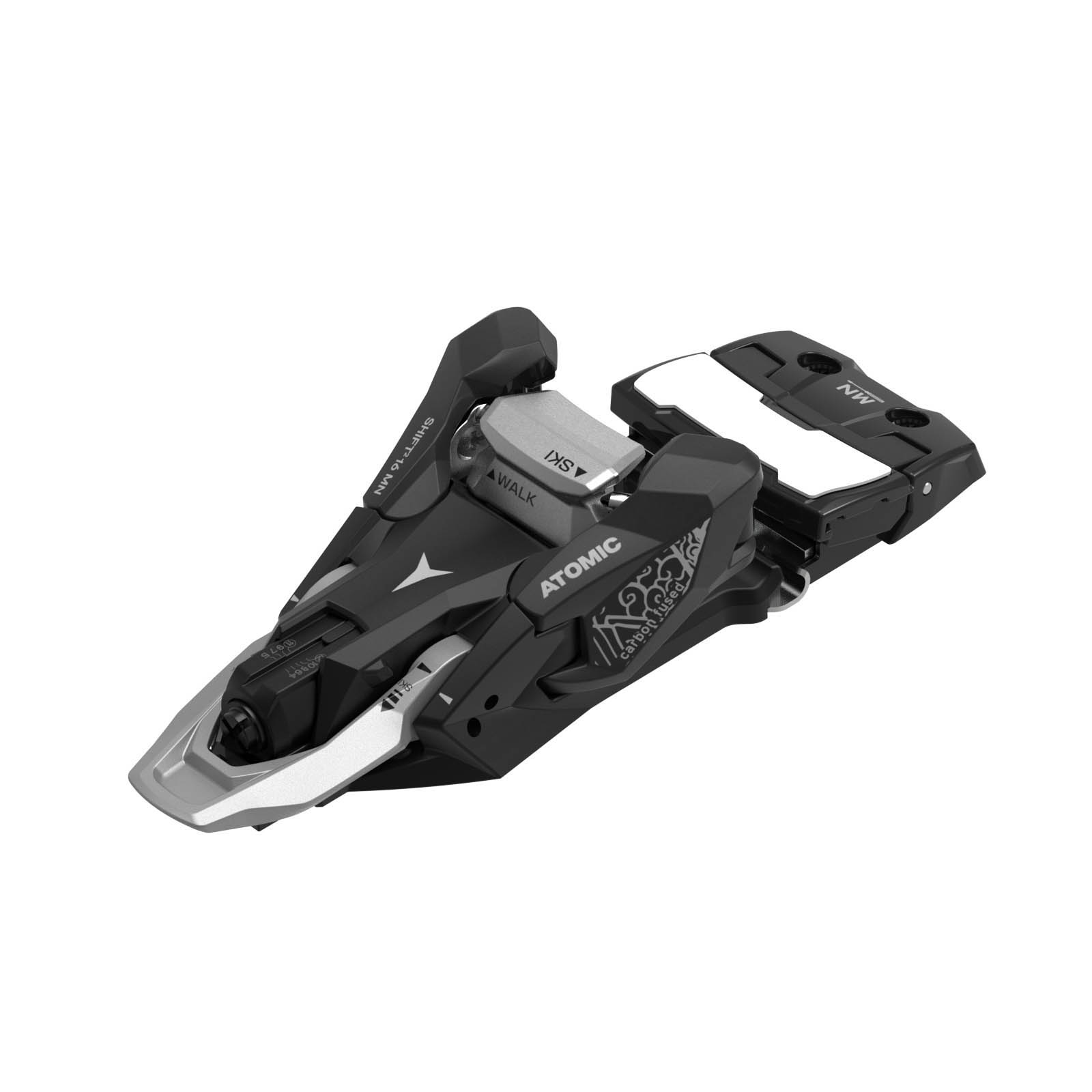
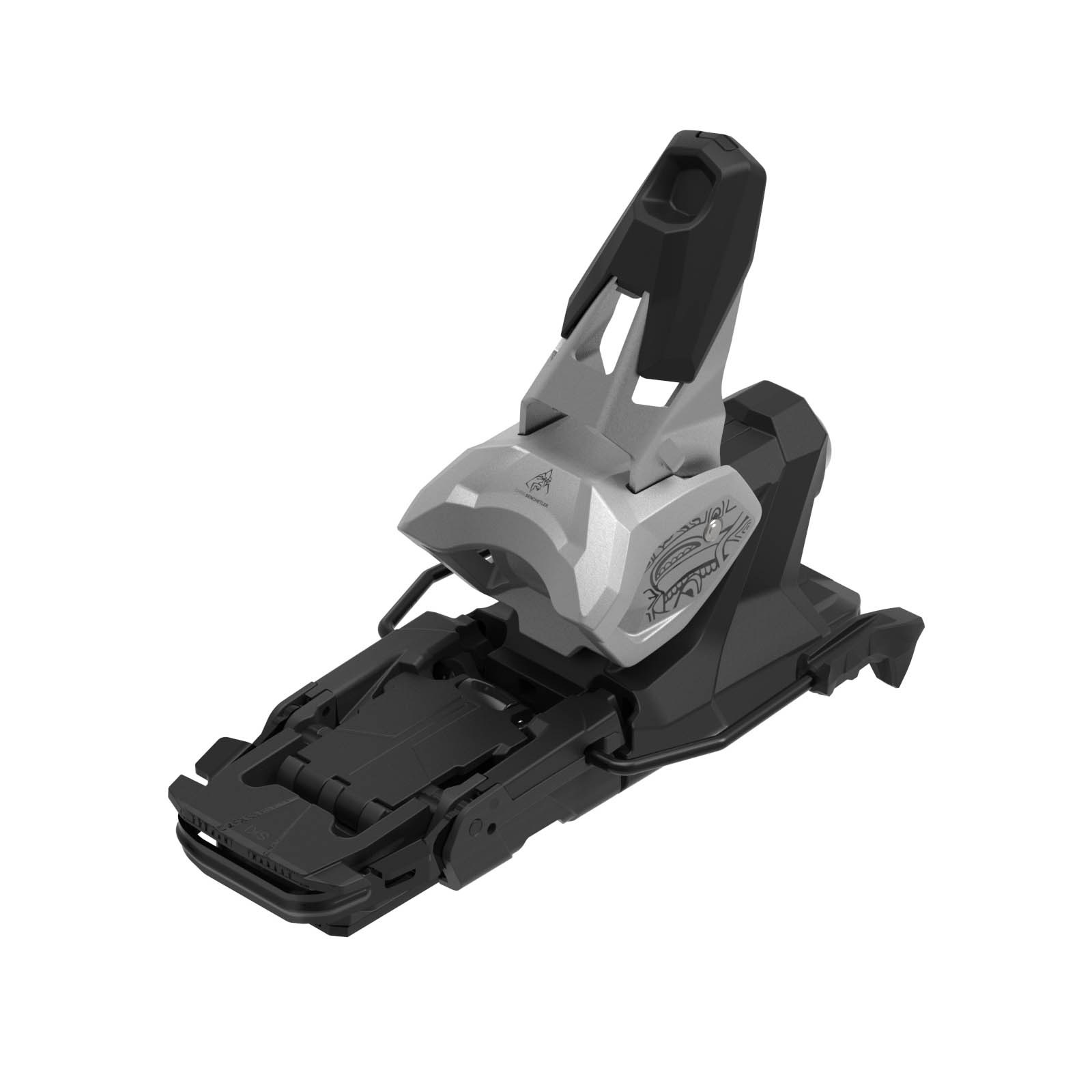
Shift² 16 MN Bent Chetler
- DIN range: 8 – 16
- Adjusting range: 30 mm
- Weight: 1210 g
- Available brake widths: 90, 100, 110, 120 mm
- Compatibility: Multi-Norm (MNC) + Pin
According to Atomic, the Shift² 16 MN works with all normed ski boots currently on the market in downhill mode, for touring functionality pin inserts are of course necessary. Chris Benchetler added some design touches and therefore the binding runs in Atomic’s Bent Chetler line, but it will work perfectly fine with Mavericks, too. Check out the binding on the Atomic website where you can also compare it directly with the other Shift² models. (Funnily enough you can find the Shift² 16 MN in the alpine section, but you need to go to the touring section to find the Shift² 13 MN and the Shift² 10 MN.) At the time of writing, the Shift² 16 MN isn’t available directly via the Atomic website, but you should be able to find it at a ski shop near you. The recommended retail price is 649,99 €.