Stories

shaping the future

Sämi Ortlieb: Shaping the direction of the Post-Park Skiing era

By: Scott Naismith May 12, 2026

Sämi Ortlieb has never followed a conventional path. Across a run of standout film projects, he carved out a reputation for a style of skiing—and filmmaking—that felt entirely his own.

While he spends less time in front of the lens these days, Sämi’s influence is arguably greater than ever, shaping the way people approach skiing from the ground up.

Scott Naismith: Hey Sämi, we’re at the Nines in Niseko, when did you start getting involved in that? And what’s your role here?

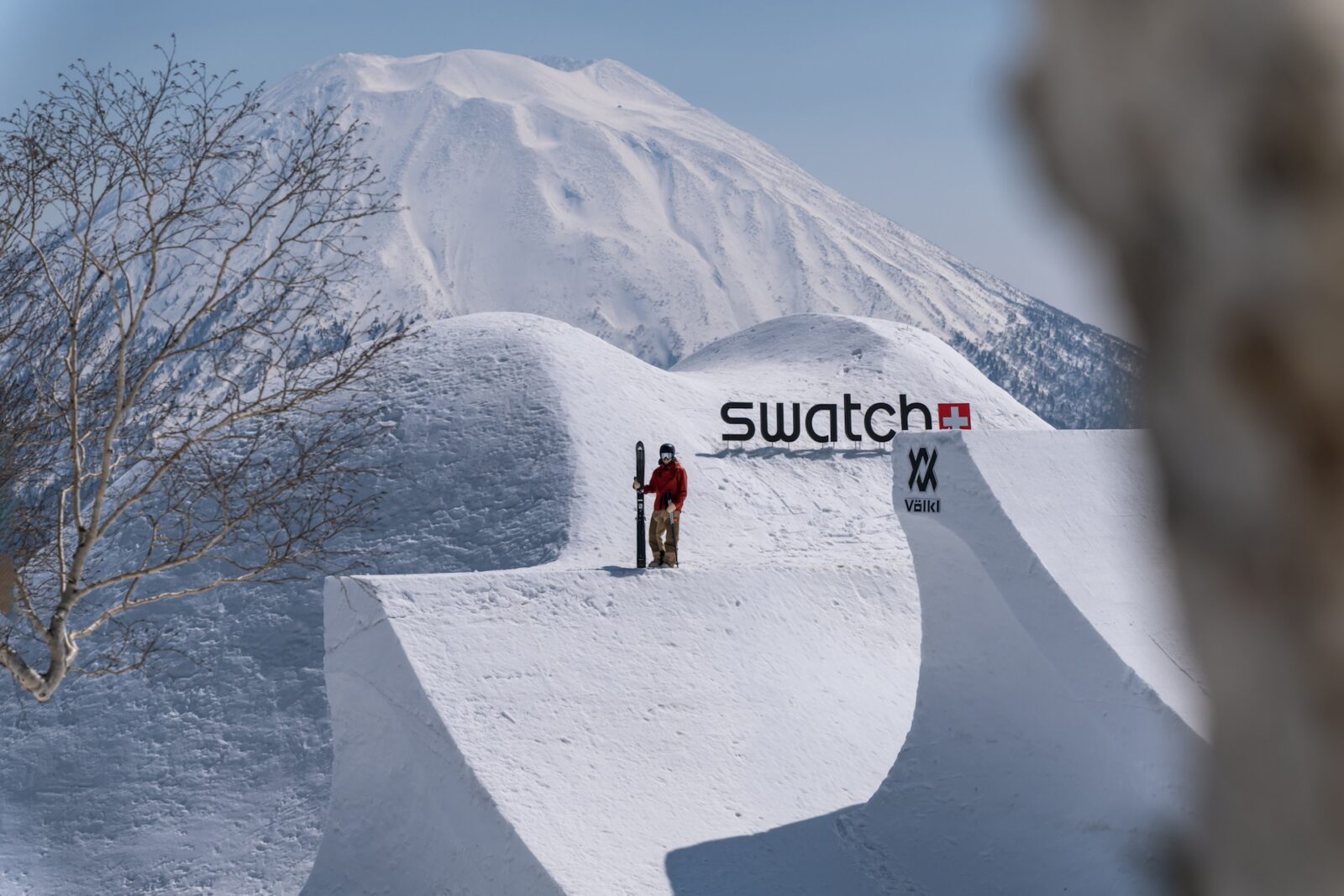
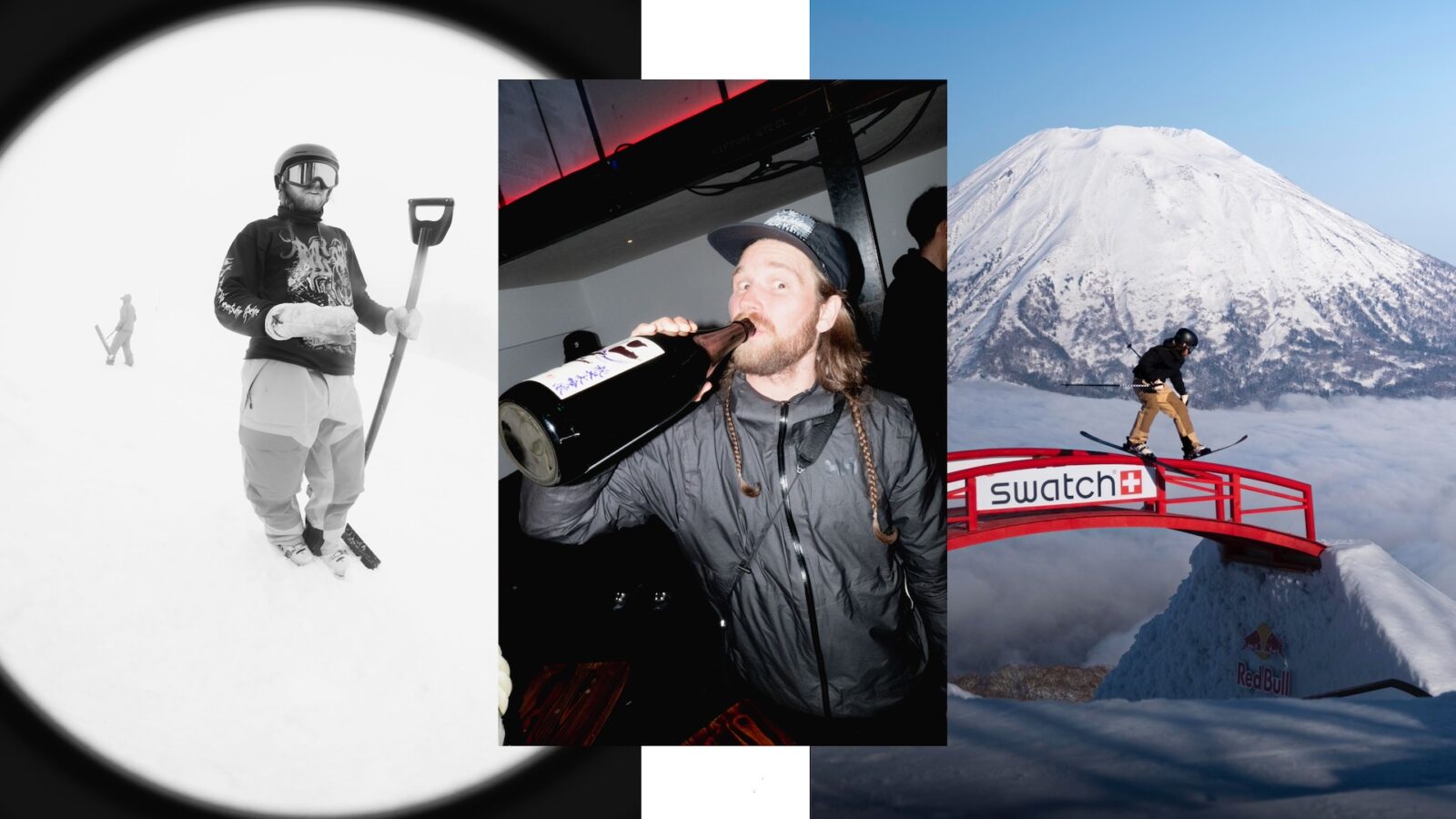
Sämi Ortlieb: I believe my role is head of park design, I guess. In the summer of 2024, Nico Zacek approached me asking for some input and ideas on the course—consulting you might say. We had a first meeting where I gave feedback on what they had and showed him alternative ideas. He then asked me to invest two weeks into it and after that he told me to take the lead on the park design.

After last year, the feedback from the riders was very positive. I think ride-ability wise, athletes agreed that it was their favorite park they’ve had at the Nines. So for this year, Nico gave me the reins.

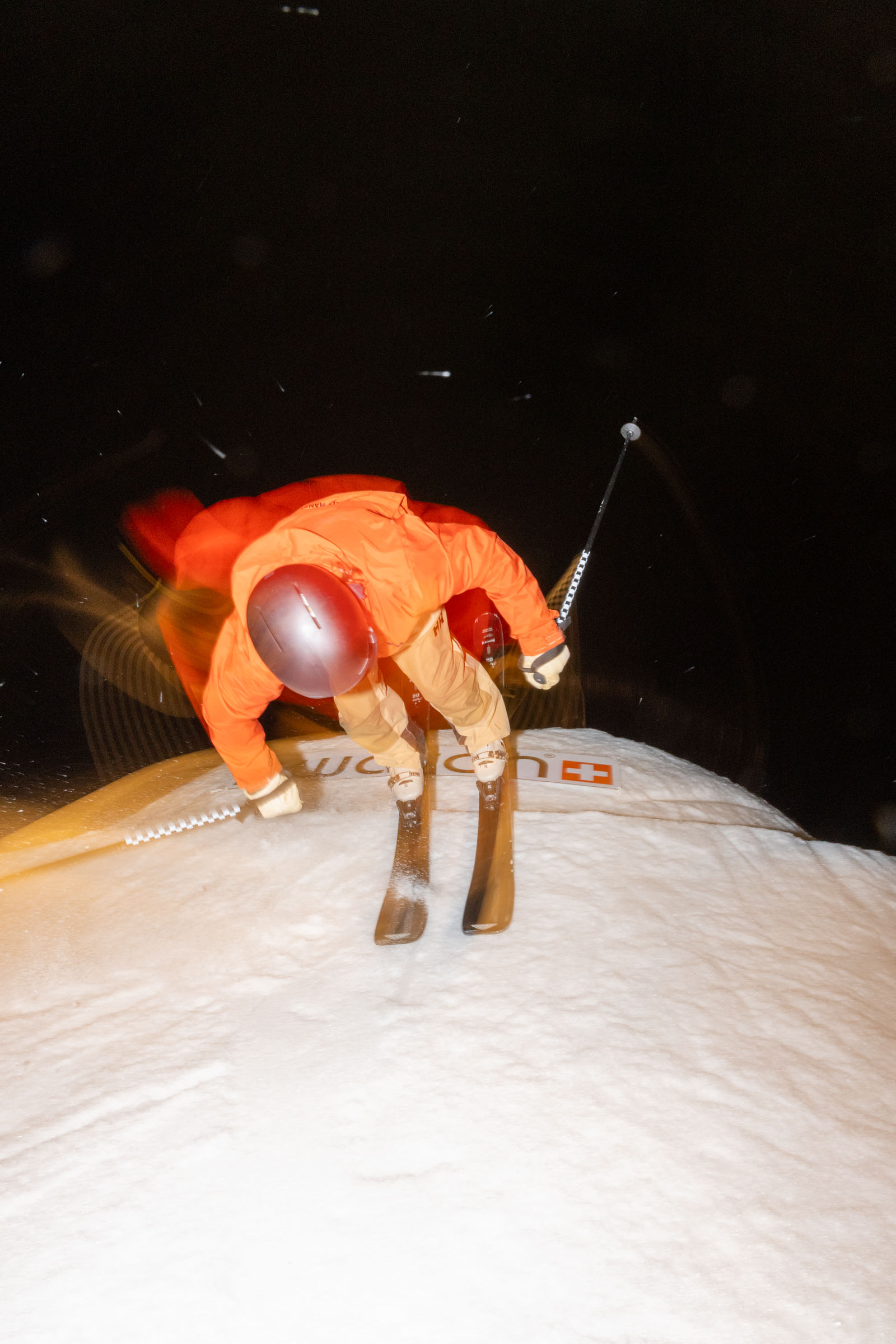
Just about making it to the last few meters of the 50 meter PVC—the site of many broken dreams. Remi Fukamachi

Here in Niseko we’ve been unfortunate with the weather and haven’t had the opportunity to see the setup ridden to its full potential.

This year we’ve come up against two things. One is that the snow condition and the weather didn’t allow us to get the most out of the setup. And the other was not having any prior experience with the slope here. We didn’t fully know how wide of a slope we actually had to work with. We had geo data, and we were here in October, but in October there was no snow and there’s six-feet high bamboo everywhere so it’s pretty hard to tell.

So I think for 2028, we’ll be able to improve just by knowing the slope, knowing how wide and how steep it actually is. I think it was okay, but there were things to change that would have improved the flow of the course a lot.

The course was super accessible and a lot of the feedback from the riders is that it was really fun to ride, even if the weather did not allow the main jump to be ridden a lot, the rest of the course made up for it.

Pressing the noses on the new Depart 0.2. Ethan Stone

The fifty meter PVC was designed in a way that it’s the “non-frustrating long rail”, because if you fall off, you can jump back onto it. You shouldn’t be done with it just because you fall off. And the same on the hover jumps, the side take-offs, I have never seen a jump as safe. You hit it with any speed and you’ll be fine.

Johannes Goegele is the reason that the jumps are as safe as they are—he is a wizard when it comes to building jumps. Johannes builds it in this 3D computer model that the shapers can take the GPS data out of. So he measures everything and the shapers build exactly what Johannes designed in the model. Every angle is right. When I’m shaping it’s more like “yeah that seems about right,” but Johannes can really measure that stuff.

I guess that makes it easier to turn an idea from “I think this might be possible”, into reality.

Yeah absolutely, but there’s been features that were too complicated to do the actual math on, like the oververts this year, the dugouts under the jump. I don’t think he was able to fully do the math on it—it was more of a brain experiment.

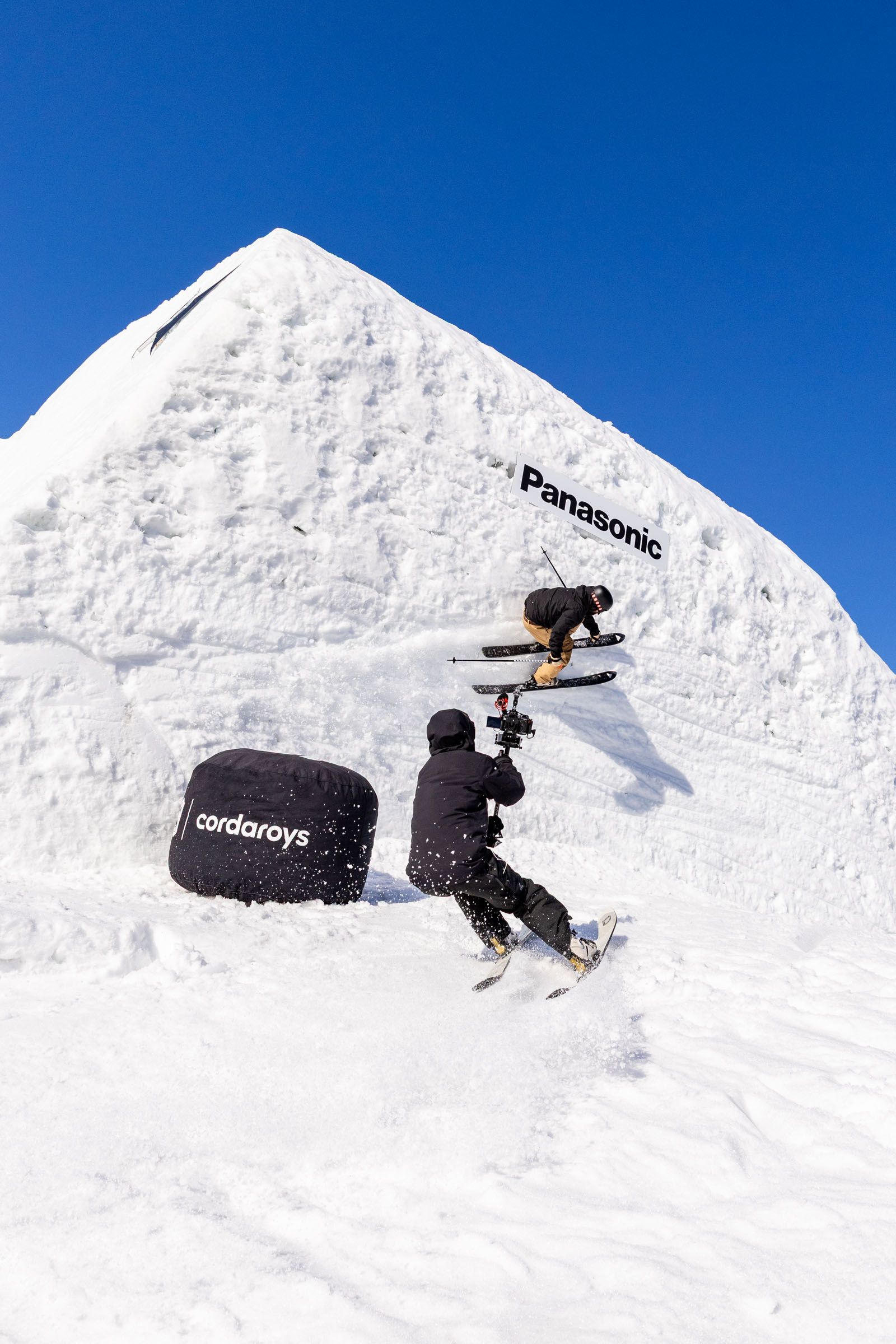
There were a lot of features that were trying to prove a concept and some of them will stick and we will develop into something that really works. The long PVC was a feature that I haven’t seen in that way before. Now I know what needs to change, what needs to be extended, what needs to be lower. The PVC, the oververt take-offs and the snow wallrides that we had on the side of the quarter-pipe will all definitely evolve into something in the future.

Sämi and his oververt mind experiments. Tanuki Productions

Is shaping a way of expressing your vision for skiing by designing something that rides in a certain way?

For sure. I think I have a similar approach to it as I would with backcountry jumps or street features, where you interact with the terrain or the architecture, but at the Nines it’s more of a blank page. I think I constantly gather ideas of how you could build something or what a feature could look like. And the Nines is a place where you can go a bit nuts with it and build stuff you couldn’t build otherwise because there’s neither the budget nor the infrastructure.

For a long period, it felt like you were a ride or die for Line Skis. How did the transition to Salomon come about?

Nico Vuignier was starting a new project at Salomon and he asked if I would be down to join. As you said, Line was part of my identity, but at that point what I really wanted to do was develop skis. With Line, that was super hard with the geographic distance. They are in Seattle, I’m in Europe. If everything worked out, I would be there maybe once a year. Salomon is in Annecy, so is way more feasible. But the decision was super hard.

Switching to Salomon, you never really know what you’re signing up for. But immediately working with them on this product was completely different. They are genuinely interested in what the athletes think. There’s a lot of companies that claim, “this is by the riders for the riders”, but with Salomon it really is like that.

The new Depart 0.2—a narrower, more playful ski than its older sibling. Ethan Stone

It feels like what you have created with Depart is an arm almost apart from Salomon—a brand within a brand that has its own identity.

It definitely feels like a sub-brand. I think we were heavily inspired by how Sportstyle did it within Salomon—with sneakers they do, they look technical and they’re actually technical, they speak to a certain group and they work. That part of Salomon was small for a long time and now it just exploded. We had that blueprint to make something that is niche, for a core culture, and make it successful.

It sounds like the creative freedom to build a ski from the ground up was yours to play with.

For sure, definitely. I think it also has parallels to how the 1080 was made. That’s also where some of the shape inspirations came from, especially the Depart 0.2— it is kind of close to what a modern 1080 is.

When we were designing the shape of the ski, we wanted to find something that was aesthetically pleasing, but also performance-based. How well that pointy nose works in soft snow is incredible—I’ve never seen a ski cut snow in that way. In powder it floats way faster because it takes less to break the snow surface and it rises easily. Same as wind crust, it cuts through it differently, and in the slush it’s super surfy.

Generally, the goal was to make a ski that looks different to most traditional, or what is now traditional, freestyle skis. When I started freeskiing, in the early 2000s, when you saw somebody on the mountain with twin tip skis, you were like, “Oh, you are my friend because you have that type of skis.”

Nowadays in the snowpark, it didn’t really feel like that for me anymore. There’s a lot of people who are doing a “professional sport” with twin tip skis, which was never really freeskiing for me. I feel like extreme sports like skiing, skateboarding, surfing, whatever it is, are for the people who don’t function in real professional sports.

Having that different ski shape, when you see someone on the mountain or in the park, you can recognise that you would vibe with them. You’re making friends quickly and easily, whether that be a Depart or a Simply or a Season.

You can spot someone and associate what they’re riding with a brand of skiing.

And it’s not just a twin tip ski with a little logo on it—it actually has a different silhouette. That’s the same with what twin tips represented for me in the early 2000s. From a mile away, you could see that the person’s skis were bent up at the back and you would be friends.
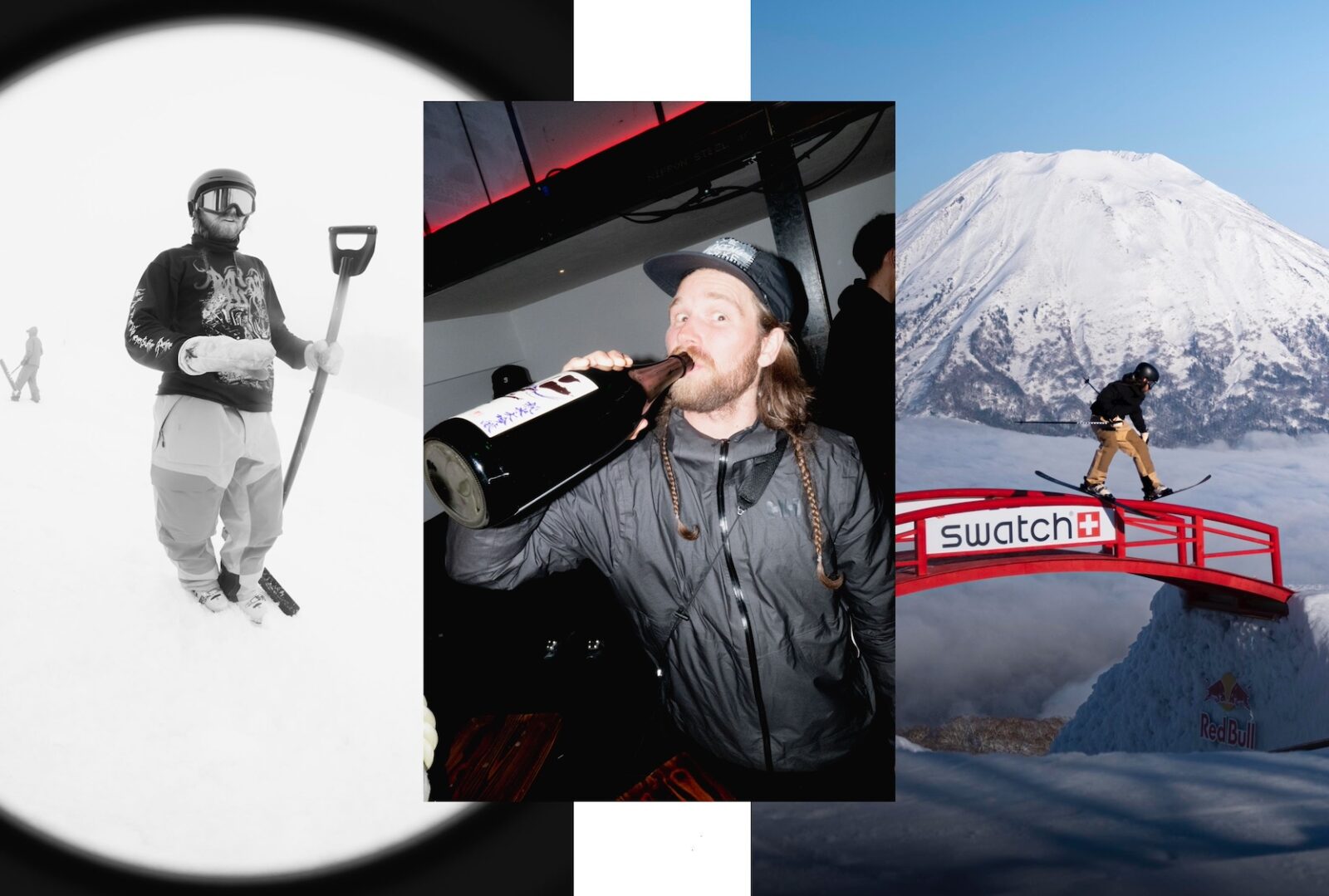
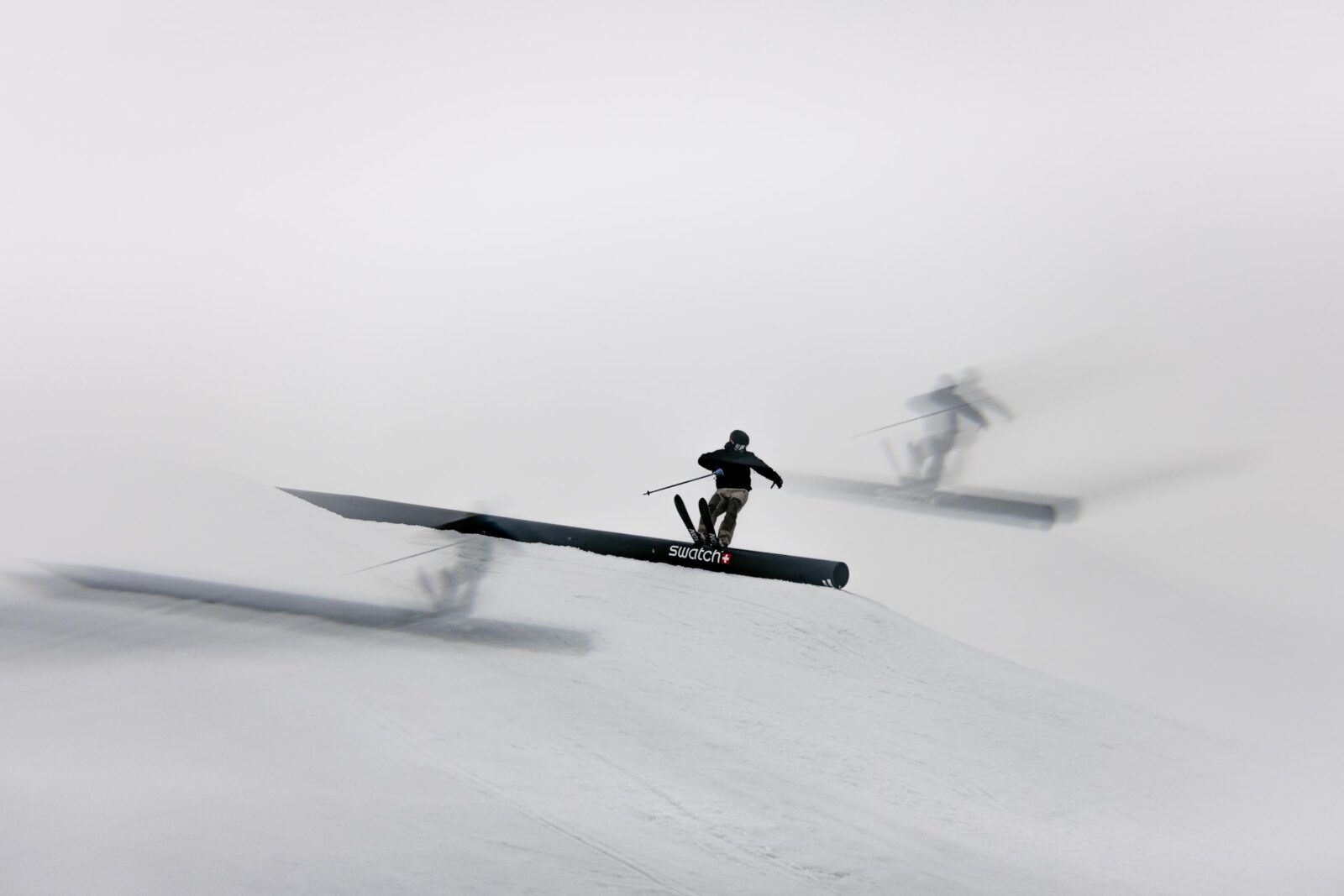
Sämi opening up the snow wallride at the Nines. Having designed all the features, he was also the first to show everyone how to ride them. Ethan Stone

What’s new with the Depart 0.2? How does it differ from the 0.1?

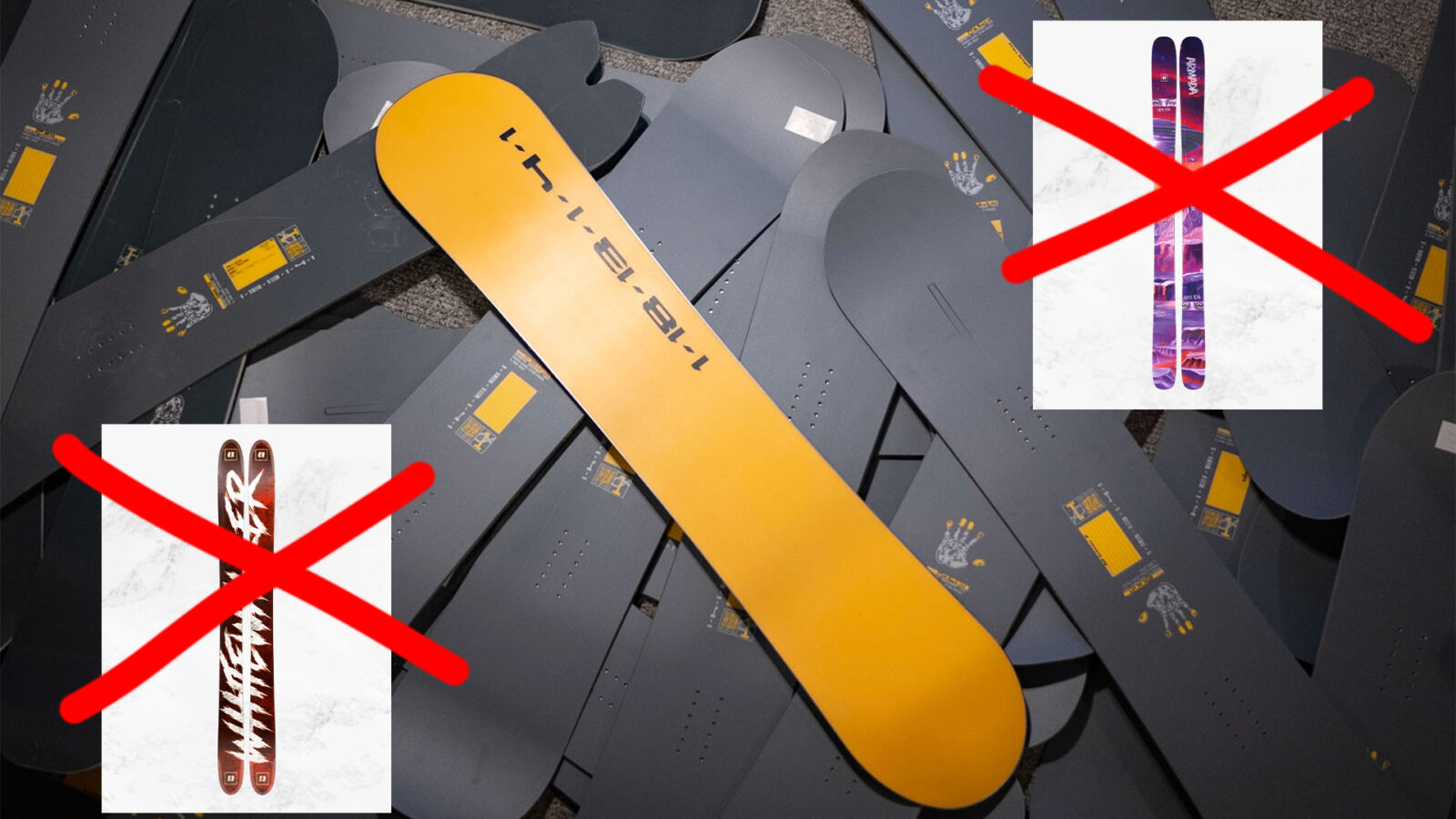
I think there’s a misconception that it’s an evolved ski from the 0.1—which is not. Our goal from the beginning was to make a lineup of skis, so the 0.1 and 0.2 have different characteristics—they will run simultaneously because they’re different skis for different things.

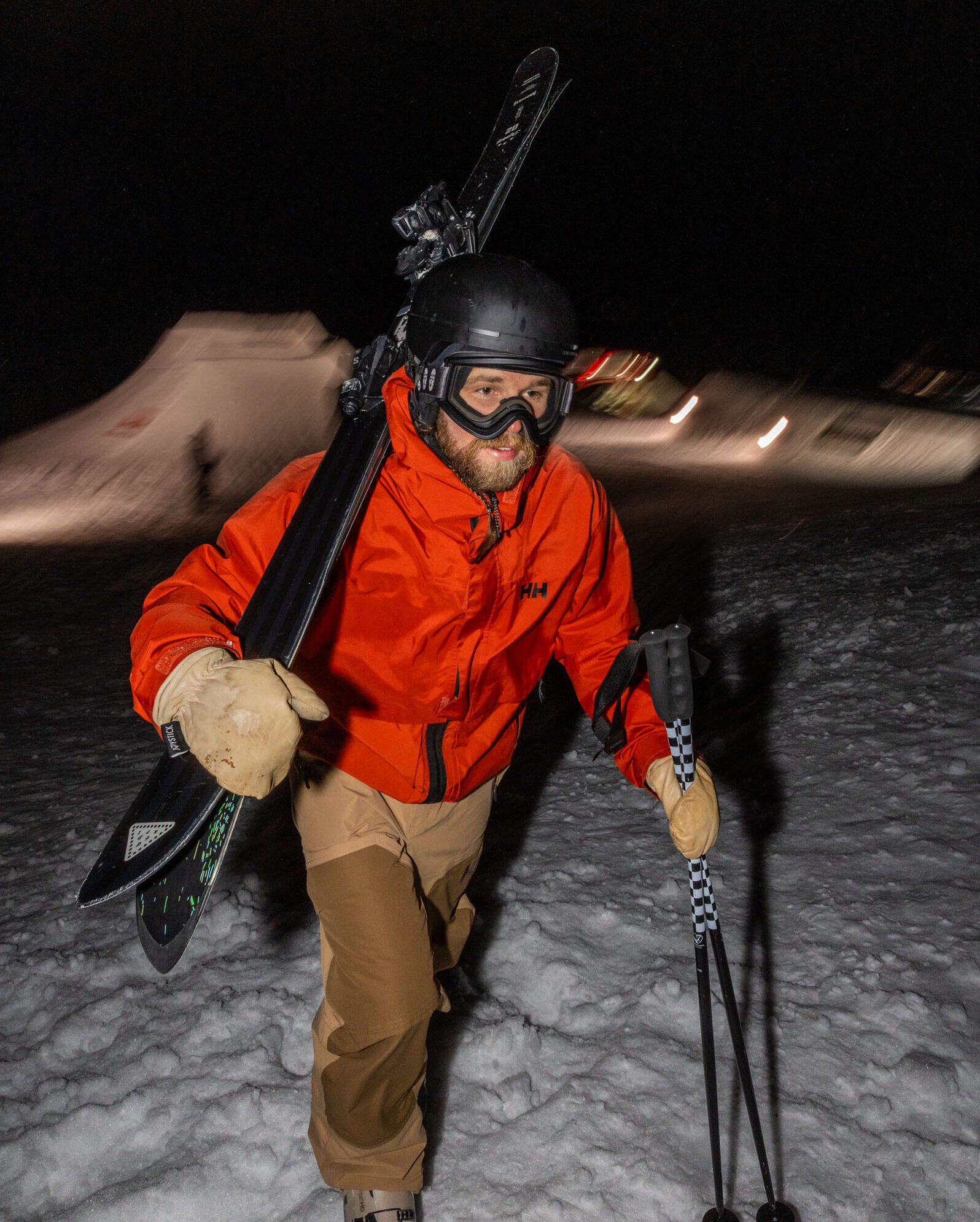
The 0.1 is wider with a 106mm waist and is stiffer; it’s a really good ski for any day out of the year. It performs best skiing side-hits and I use it for ski touring a lot, in the sense of walking to go build a jump. If I had to ski one ski for the rest of my life, it would be that one for sure.

Then the 0.2 is narrower with 100mm under foot and it’s much softer. It’s way more playful, more for doing butters, like a more traditional park ski for skiing in a park and street skiing.

Down the line we will come out with a third model which will be more powder oriented.

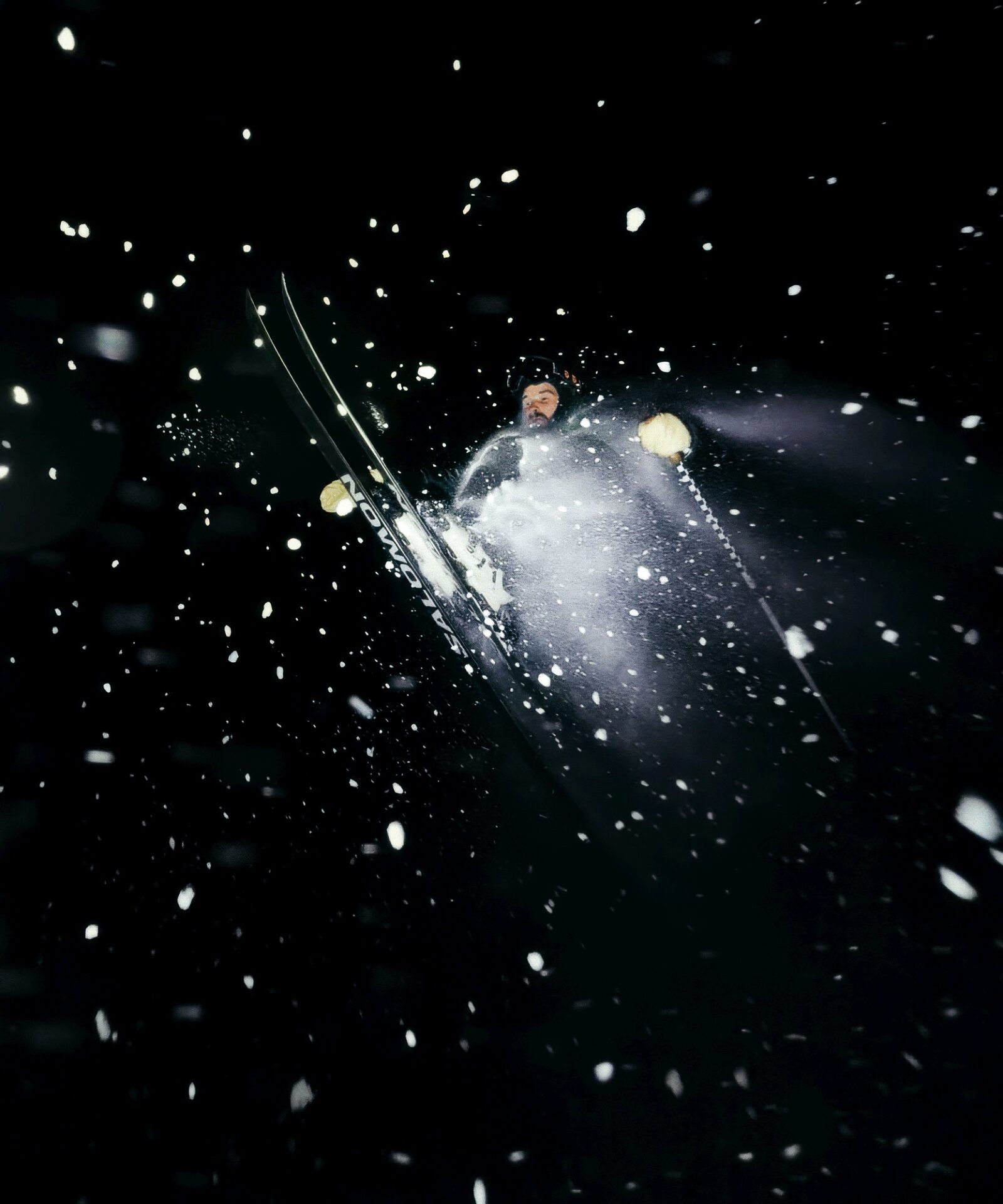
1. Sämi on the 0.2. Salomon
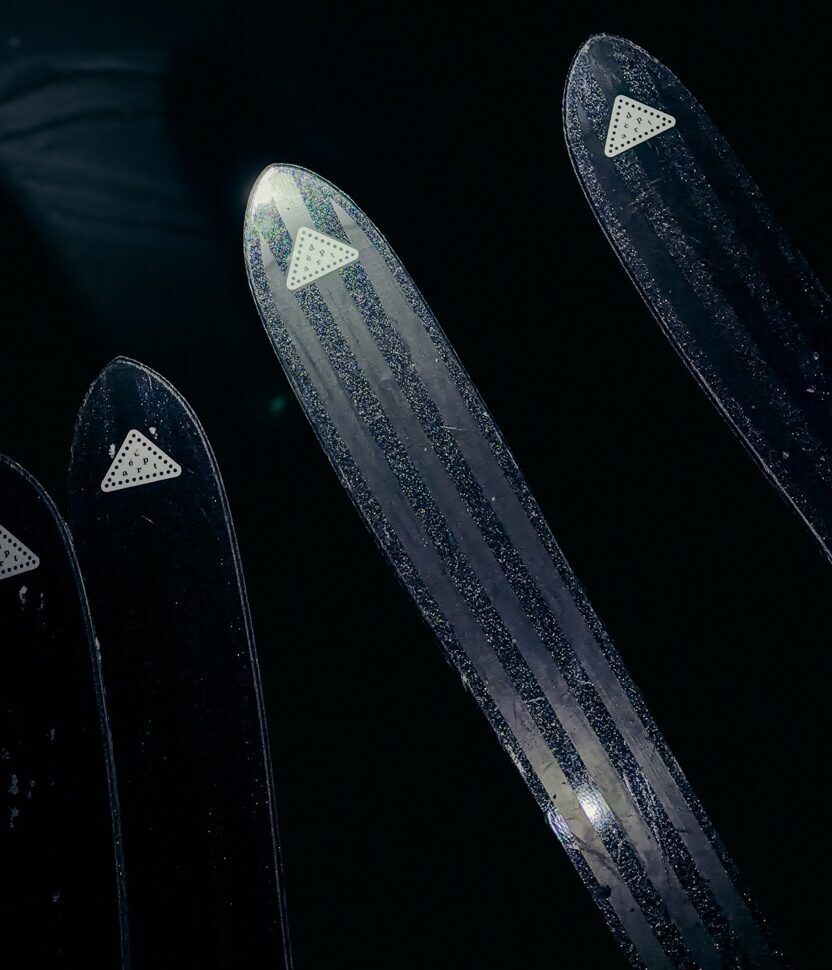
2. Depart 0.2 with its glittery black topsheet. Salomon

The whole concept was to make a lineup of skis that works for, what we refer to as, “Post-Park Skiing.” At least in Europe, what we have experienced is, since we started there were fewer and fewer snowparks. In 2005, every resort had a snowpark and everybody could participate. Now, very few resorts have snowparks and the snowparks that are there are often professional training grounds or even private parks, like Stomping Grounds or Prime Park.

We want to make freestyle skis that are good for park skiing, but you don’t need a park to get the most out of them—it’s not a necessity. We tried to figure out what our skis should cover and we came up with these “disciplines”, built around S.O.O.N. Skiing (something out of nothing) referring to street skiing, side-hit riding and freestyle skiing around the resort and non-peak oriented ski touring, such as backcountry freestyle. We are trying to create a lineup of skis that covers all of those “disciplines”.

Thanks for your time Sämi.

Sämi's mini-ramp inspired jib section of the Nines course. Tanuki Productions

As freeskiing evolves, influences like Sämi’s feel increasingly important. He is not adapting to where freeskiing is going, but actively shaping it by giving alternative parts of the culture both the spaces and the tools to develop—championing the Post-Park skiing revolution.

Check out the depart.systems and depart.zip websites for more easter eggs about the Salomon Depart range.

Always get
first tracks

Sign up to our newsletter to stay up-to-date on the latest news, videos and happenings in freeskiing.