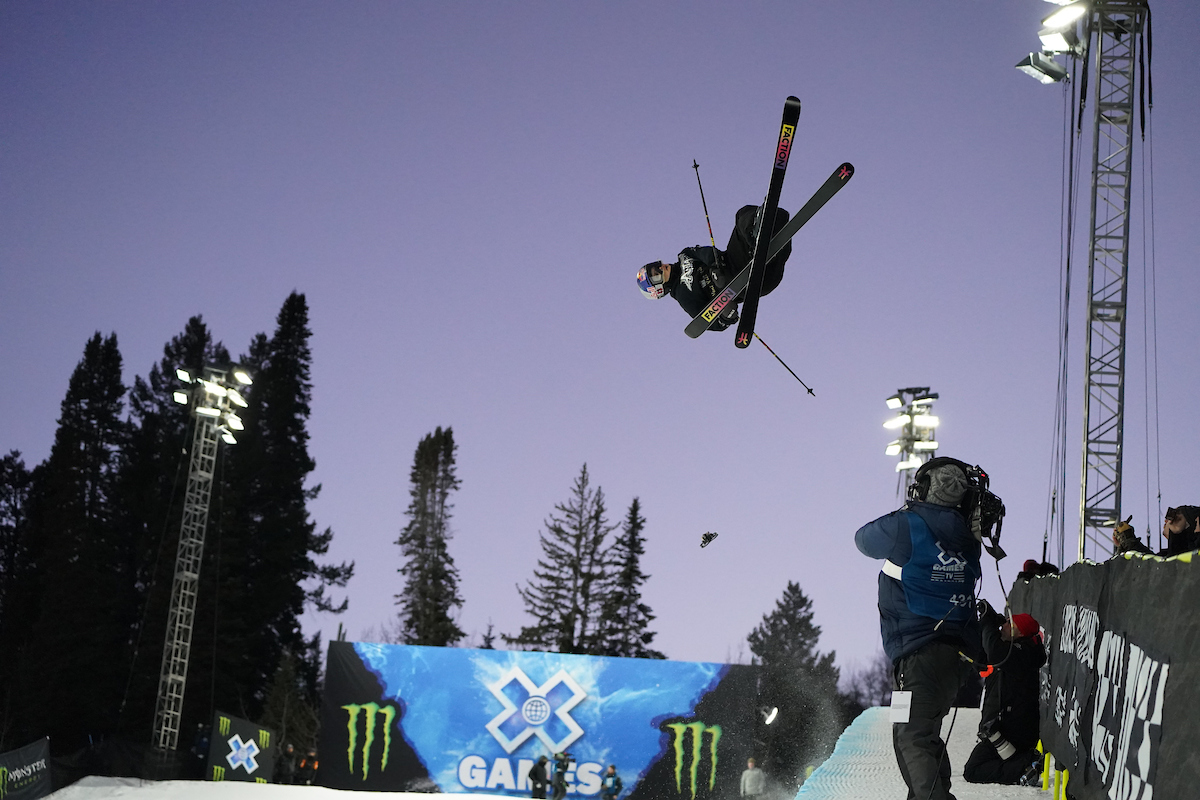
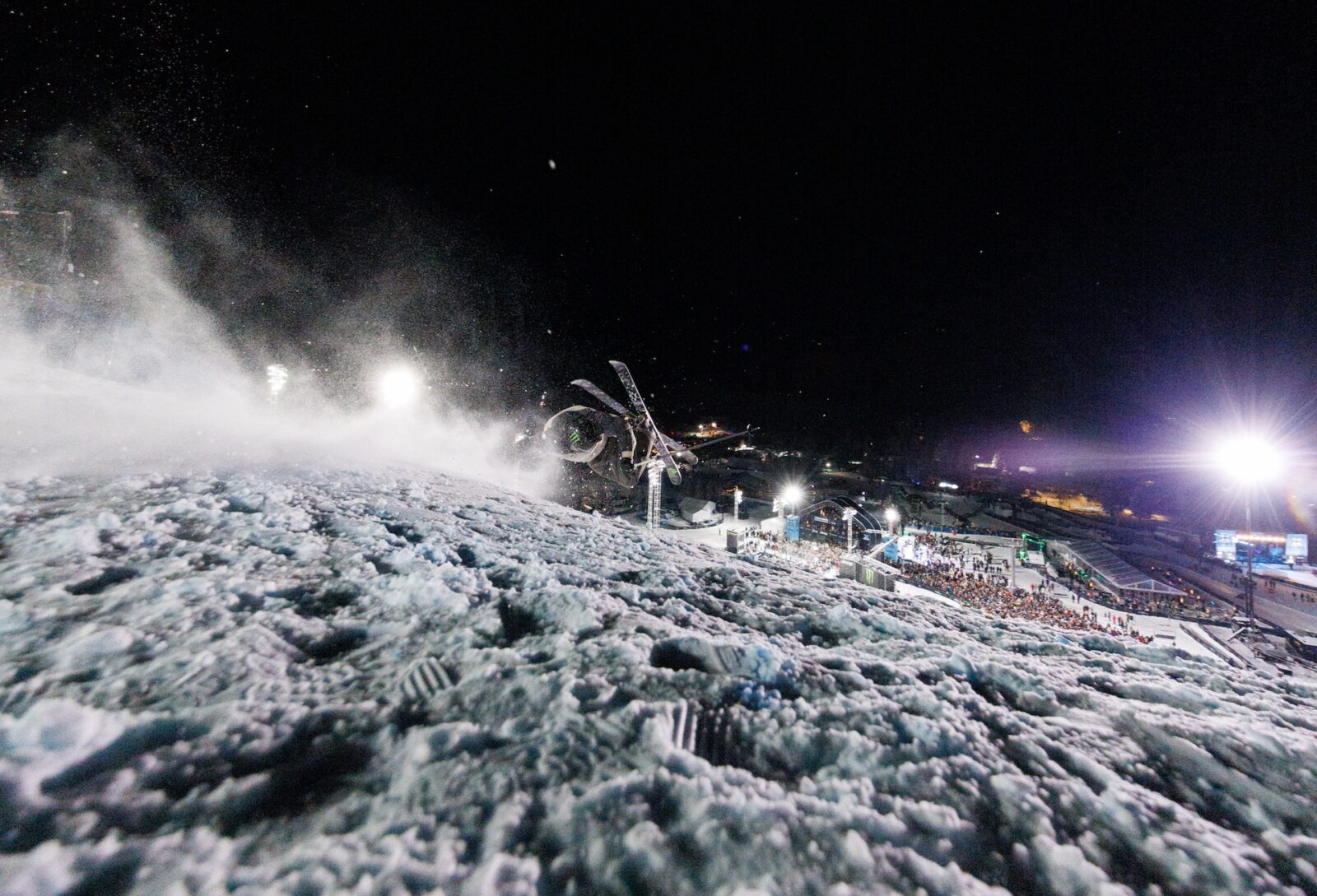
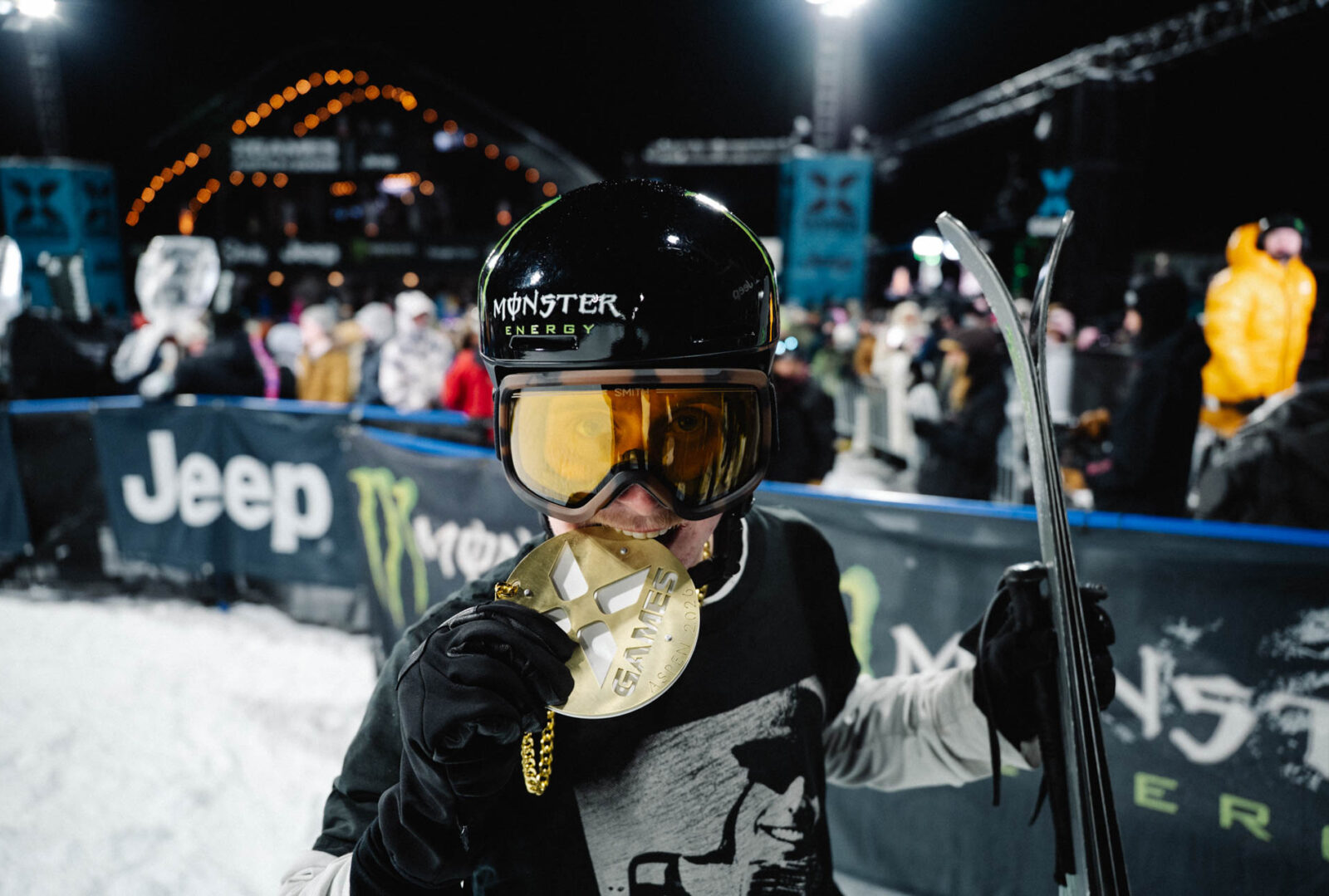
Finley Melville Ives, reigning X Games Superpipe champion, has been drafted for XC Whistler. X Games

Event News

top of the league

X Games League Draft Picks: What you need to know

By: Scott Naismith September 18, 2026

X Games is about to get a little more complicated, and we worked out what’s going on so you don’t have to.

The inaugural X Games League Winter Draft took place Wednesday night in Los Angeles, with 40 skiers and snowboarders selected to represent four new X Games “clubs” for the 2026/27 winter season.

Some of the great and the good of freeskiing and snowboarding were flown in to take part in the hyper-Americanized live broadcast of the draft, to seemingly sit around a drink together, while us Europeans were left questioning what exactly we were watching.

Unsurprisingly, Eileen Gu was the first draft pick, signing for XC Golden State. Joshua Duplechian/X Games

So, what is the X Games League again?

In case you missed it, the X Games League (XGL) is a new team-based competition format and the new professional competition arm of X Games.

Instead of athletes simply competing individually at standalone events, XGL gives them a club to represent across an entire season. The winter league will visit three stops, with Aspen joined by Calgary and Ruka. Riders earn points for their club at each league competition, with the club accumulating the most points crowned champion at the end of the season.

That means an X Games medal is no longer necessarily the end of the story. A rider can win an individual event, but their result now also matters to the other nine athletes wearing the same club colours.

That’s 19 skiers in total, with the remaining 21 roster spots going to snowboarders.

Athletes who weren’t picked in the draft, including notably Tormod Frostad, will still be able to compete as “free agents” if invited. They can also be called up by a club as injury replacements.

Why is X Games doing this?

The Winter Draft is part of X Games’ attempt to turn action sports into a professional league rather than a collection of standalone competitions.

The traditional X Games format is being folded into this new structure. Instead of one winter event in Aspen, XGL creates a three-stop season.

There’s also a financial component—probably far beyond what X Games is happy to talk about at this stage.

X Games has allocated $5 million to its winter athletes, covering salaries, prize purses and athlete travel expenses. The league has also repeatedly talked about improving athlete salaries and benefits, with the stated aim of creating more stable earning opportunities for action-sports athletes.

In other words, X Games is trying to give competitive skiing something it has traditionally lacked: a season-long narrative where athletes aren’t just competing for themselves, but for a team and a championship—and potentially earning a more stable income while doing it.

Daniel Bacher was in the pool of riders the clubs could pick from, but was not drafted. Hoffman

More X Games is good, right? Right?

More skiing, and more non-FIS-regulated contests, should be a good thing.

XGL is attempting to create continuity and context between events, developing a story that fans can follow throughout the winter. If it works, that could mean greater reach, more interest and, ultimately, more money flowing into the sport.

Also good things.

From a more cynical perspective, though, it seems like an unnecessarily complicated mechanism for creating theatre around something that already had plenty of it.

It is unlikely that these riders need much more motivation to perform than an X Games medal—arguably the biggest prizes in competitive freeskiing. So the question becomes: what exactly does the team element add?

X Games has been keen to promote the improved compensation available to athletes. But the commercial logic of the league is pretty obvious, too. More events, franchise teams and season-long storylines create more content, more broadcast inventory, more opportunities for sponsors and, ultimately, more opportunities for X Games itself to make money.

That isn’t necessarily a bad thing. Professional sport needs money to function, and if building a league around action sports creates a bigger commercial pie, there is a chance that riders and the wider sport benefit from it.

But we’ve seen this model before. Franchise-based leagues can generate revenue, build new audiences and create strong club identities. They can also bring in powerful outside interests, sponsors and commercial partners whose priorities don’t necessarily align with those of the riders or the culture that built the sport.

If X Games can make this sustainable, and riders can make their careers more profitable as a result, then XGL could inject a significant amount of money and stability into competitive skiing.

But, at the end of the day, the bottom line is the bottom line.

Time will tell.
Always get
first tracks

Sign up to our newsletter to stay up-to-date on the latest news, videos and happenings in freeskiing.